Abstract Glass Geometry
AI prompt extraction analysis for Abstract Glass Geometry
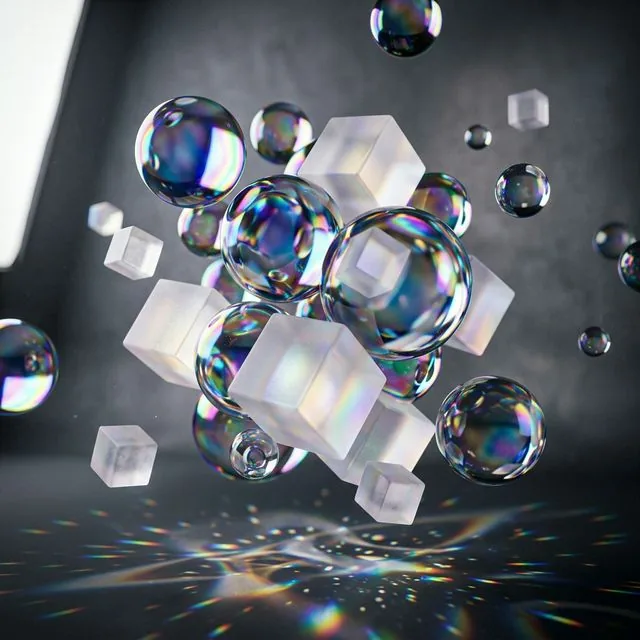
Extracted Prompt Formula
Abstract 3D rendering of floating iridescent glass spheres and frosted translucent cubes intersecting, studio lighting, caustics, dispersion effects, ultra high definition.
Core Variables
- iridescent glass spheres
- translucent cubes
- light dispersion
Detected Parameters
Photorealistic glass materials, caustics, pristine lighting, 8k resolution
About this AI Generated Image Prompt
Two different optical effects are named here as though they were one. Iridescence is thin-film interference, the shifting colour of a soap bubble or an oil slick, which changes as the viewing angle changes. Dispersion is refraction that separates wavelengths, the prism effect, and it happens inside a transparent solid rather than on its skin. Asking for iridescent glass and dispersion effects in the same breath hands the model two recipes for rainbow, and it usually blends them into a generic spectral shimmer rather than committing to either. Choosing one yields a more convincing material: interference colours on the surface, or split light passing through the body. The frosted cubes create a second and more consequential conflict. Frosting is surface roughness, and it scatters transmitted light in every direction, which is exactly what destroys a caustic. Caustics are focused light: smooth curved surfaces acting as lenses, concentrating rays into bright lines on whatever sits behind or below. A frosted cube cannot make them, and studio lighting compounds the problem, because studio setups mean large soft sources, and soft sources spread refracted energy so widely that the caustic pattern washes out. Caustics need a small, bright, hard source. That is a physical requirement, not a stylistic preference. The fix costs the prompt very little. Make the spheres clear and polished so they do the lensing, keep the cubes frosted for material contrast, and name both a single hard light and the surface the caustics land on. Ultra high definition adds nothing by itself; it is a quality vote that nudges toward crisp micro-detail rather than an actual resolution setting. Nothing sets a background, a floor or an aspect ratio either, so the intersecting shapes are left floating in whatever void the model supplies, which is also why the caustics have nowhere to land. For a variant that changes the whole read, replace studio lighting with a single hard spotlight from high camera-left and a pale floor beneath. The intersecting shapes will then throw sharp caustic pools with visible colour fringing at their edges, the frosted cubes will glow softly from within while the clear spheres stay bright and specular, and the cast shadows will finally place the geometry in a room rather than leaving it suspended in nothing.
Want to reverse-engineer a look like this from your own image? Try the free Image to Prompt tool to pull an editable prompt from any picture in seconds.
Want to extract prompts like this?
Try the AI Image DescriberRelated AI Prompts
Explore more extracted prompt formulas from our gallery.
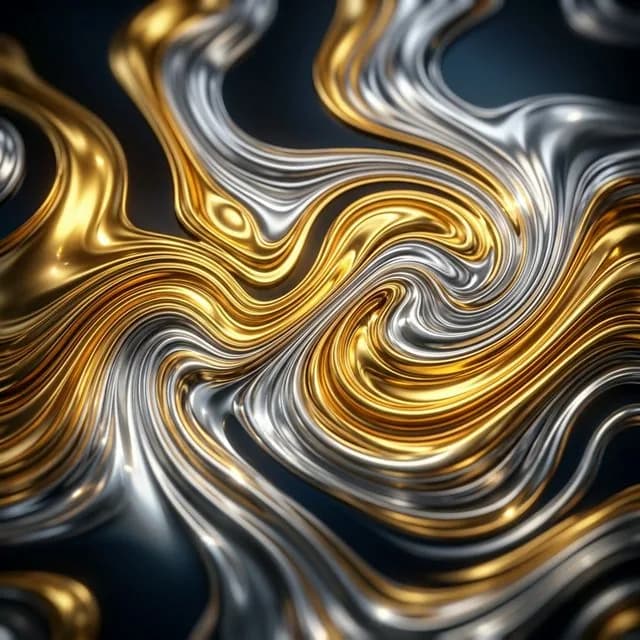
Abstract Liquid Gold
Ultra premium rendering, glossy reflections, liquid dynamics, 8k
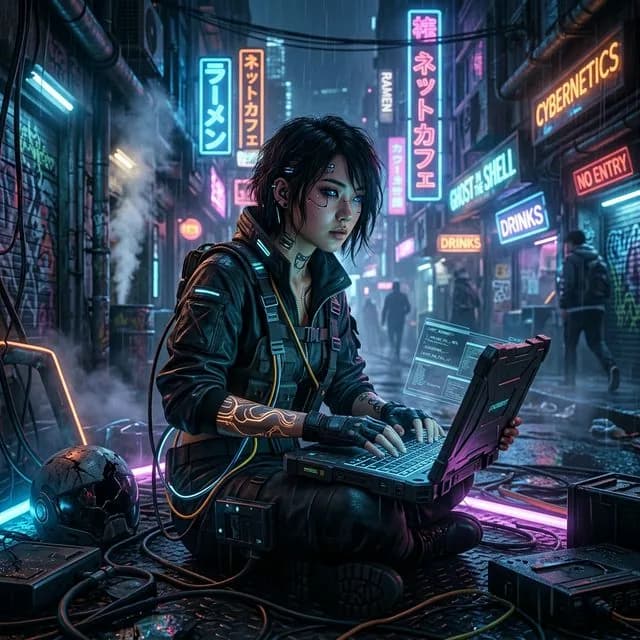
Cinematic Cyberpunk Portrait
High contrast dramatic lighting, volumetric fog, sharp focus, 8k resolution, highly detailed
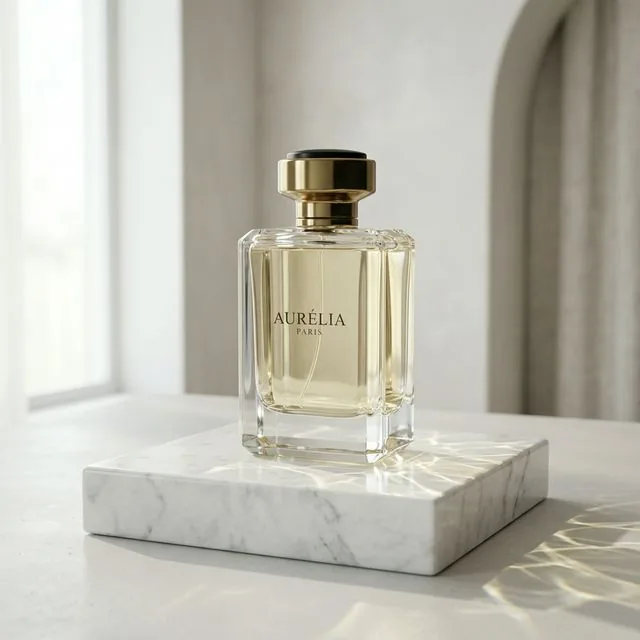
Elegant Glass Perfume
Commercial luxury product photography, perfect caustics, pure white studio