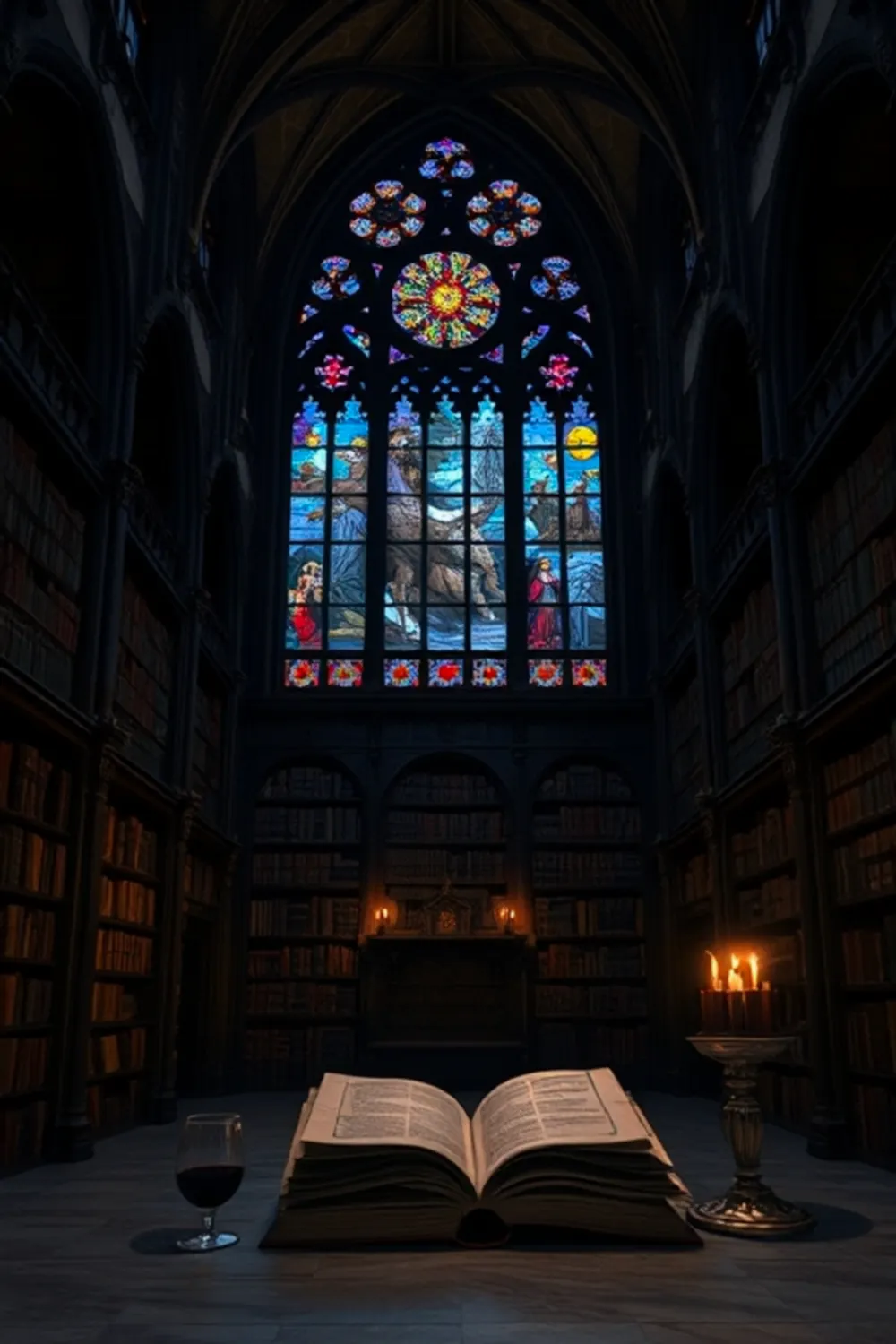
Dark Academia Gothic Architecture: Rain-Soaked Spire
AI prompt extraction analysis for Dark Academia Gothic Architecture: Rain-Soaked Spire
Extracted Prompt Formula
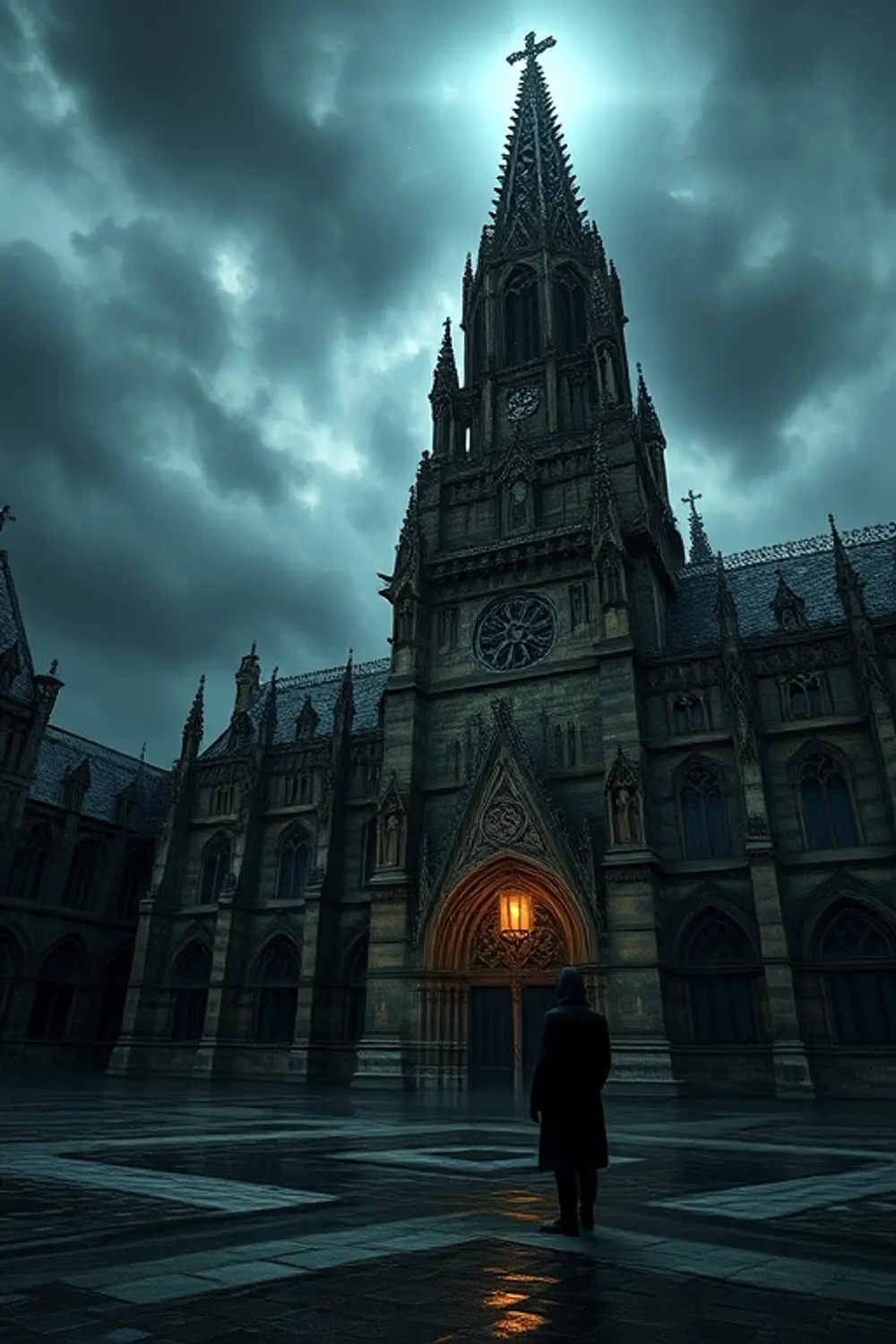
A masterclass in atmospheric grandeur: A colossal, rain-slicked gothic cathedral spire piercing a tempestuous twilight sky, illuminated by a single, sharp beam of divine light breaking through the storm clouds. The stonework is hyper-detailed with centuries of moss and intricate gargoyles, their faces twisted in eternal vigilance. The ground level is a flooded, cobblestone courtyard reflecting the spire's silhouette, with a lone, hooded figure in a dark wool coat holding a brass lantern that casts a warm, golden pool of light. Cinematic composition, shot on a Phase One XF IQ4 150MP camera with a 24mm f/1.4 lens, ultra-wide perspective to emphasize the towering scale. Volumetric lighting, ray-traced reflections on the wet stone, deep shadows, and a moody, desaturated color palette with hints of emerald and amber. Rendered in Unreal Engine 5 with path tracing, 8k, octane render, award-winning architectural photography, hyperrealistic textures, intricate gothic tracery, flying buttresses, rose window with shattered stained glass. --ar 2:3
Core Variables
Detected Parameters
About this AI Generated Image Prompt
No Phase One system has offered a 24mm f/1.4, and the gap matters more than pedantry. The XF IQ4 is a medium-format body whose widest lenses sit around f/4 to f/5.6, so naming an aperture that fast asks the model to blend two unrelated visual signatures: the enormous resolving depth of a large-sensor architectural frame, and the single-plane falloff of a fast portrait prime. They look nothing alike. Worse, the prompt asks for hyper-detailed stonework, moss, gargoyle faces, tracery and flying buttresses spread across a structure hundreds of feet deep, and f/1.4 renders all but one plane soft, discarding precisely the detail everything else is paying for. Architectural work is shot at f/8 to f/11 for that reason; writing f/8 here would cost nothing. The lighting concept is the strongest part of the brief. A single sharp beam through storm cloud gives one hard key against a low-contrast ambient, and hard light is what makes a spire read as colossal, because the eye judges scale by how gradually tone falls off across a surface. The flooded courtyard compounds it: a mirror plane at the base doubles the vertical dimension, which suits a 2:3 frame better than any wider ratio would. The hooded figure with the brass lantern is the third good decision, since a human silhouette is the only dependable scale reference for architecture, and the lantern's warm pool gives the desaturated emerald-and-amber palette one point of saturation to resolve against. The entry no rain in the negative list is a real error. Negative prompts are parsed as concepts rather than logic, so that phrase contributes rain to the set of things being suppressed and can fight the rain-slicked stone the positive prompt depends on. Delete it. The same list bans cartoon, illustration and 2D while the positive text asks for Unreal Engine 5 path tracing and Octane render, so the two halves are arguing about medium; keeping award-winning architectural photography and dropping the render-engine tokens settles it toward photography, where wet-stone reflection and desaturation already belong. One change with disproportionate return: move the beam from overhead to a low rake from frame left. Side light skims the stone instead of washing down it, so every gargoyle undercut, moss seam and line of tracery casts its own small shadow, and the texture the prompt keeps demanding finally has a reason to exist.
Want to reverse-engineer a look like this from your own image? Try the free Image to Prompt tool to pull an editable prompt from any picture in seconds.
Want to extract prompts like this?
Try the AI Image DescriberRelated AI Prompts
Explore more extracted prompt formulas from our gallery.